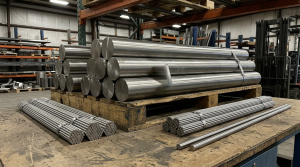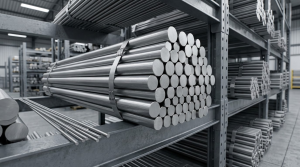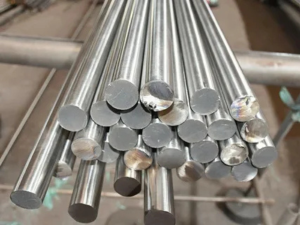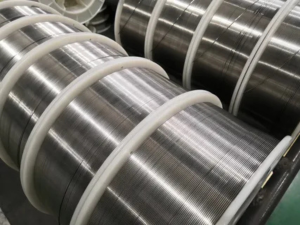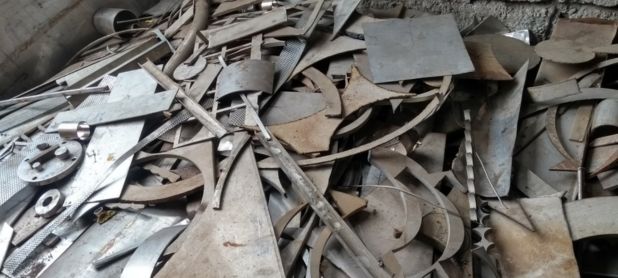
Recycling has become an essential component of the modern steel industry. Rising raw material costs, energy constraints and trash regulations encourage producers to reuse grade metals whenever possible. Stainless steel scrap plays an important part in this shift as it maintains its strength even after remelting. Stainless Steel 304 Scrap stands out from other grades due to its durability, corrosion resistance, and widespread availability. This grade easily transitions from scrap yards to production lines without losing value. Many industries rely on 304 Stainless Steel Scrap to keep prices down while fulfilling quality standards. In this article, we will discuss about what SS 304 scrap is, why it’s valuable, and how it’s used in many industries. We also discuss the environmental benefits and why selecting the right provider is critical.
What Is Stainless Steel 304 Scrap?
Stainless steel 304 scrap refers to discarded or leftover material made from grade 304 stainless steel. It forms during cutting, welding, and shaping in factories. It also comes from dismantled machines, old tanks, pipes, and worn equipment. Though labelled as scrap, the metal still holds its core properties. High chromium and nickel content remain intact after use. This makes recycling simple and cost effective. Many producers prefer 304 Stainless Steel Scrap because it melts cleanly and blends well with fresh alloys. Its steady supply from industrial sources keeps prices stable. Because the metal does not rust easily, stored scrap also stays usable for long periods without loss.
Key Properties That Make SS 304 Scrap Valuable
Stainless Steel 304 Scrap is not just leftover metal. Its core features keep it in strong demand.
- High chromium and nickel content: Grade 304 contains enough chromium to resist rust and oxidation. Nickel adds toughness and strength. These elements stay present even after repeated recycling. This keeps the scrap valuable for new steel production.
- Excellent recyclability without quality loss: SS 304 scrap can be melted and reused many times. The metal structure does not break down. Manufacturers get consistent results without extra processing steps. This helps control production costs over long runs.
- Corrosion resistance even after recycling: Recycled 304 steel can still withstand moisture, chemicals and heat well. This makes it appropriate for tough working conditions, and performance remains consistent between uses. Surface protection is maintained even after remelting.
- Strong demand across industries: This grade is essential for food processing businesses, construction firms, and transportation companies. Consistent demand keeps prices stable and supply chains active. Buyers can obtain materials quickly.
Top Uses of Stainless Steel 304 Scrap Across Industries
Many sectors rely on Stainless Steel 304 Scrap as a trusted raw material.
- Stainless Steel Manufacturing: Steel mills use SS 304 scrap as feedstock for new sheets, coils, and pipes. It reduces reliance on mined ore. Production costs drop while quality stays high. Mills also get better control over chemical composition during melting. This helps maintain uniform strength and surface finish in finished products.
- Foundries & Casting Industries: Foundries melt scrap to cast valves, fittings, and pump parts. The metal flows well during casting. Finished parts meet strength and corrosion needs. Scrap-based melts cool evenly and reduce casting defects. This improves part life in demanding service conditions.
- Construction & Infrastructure: Builders use recycled stainless steel for railings, frames and cladding. It withstands outside exposure without requiring high coats. This is suitable for long-term projects. The material also requires less maintenance over time. This reduces maintenance costs for both public and private structures
- Automotive & Transportation: Vehicle makers reuse scrap in exhaust systems and brackets. The metal resists heat and road salts. It also supports lighter designs. Recycled stainless steel helps meet emission, and durability standards. Parts maintain their shape under long-term vibration and heat cycles.
- Consumer Goods & Appliances: Manufacturers turn recycled steel into sinks, cookware, and appliances. Clean finish and food safety make it ideal for daily use. The metal stays easy to clean and does not retain odors. Long service life adds value for end users.
Environmental Benefits of Recycling SS 304 Scrap
Recycling SS 304 scrap brings clear environmental gains. Each ton reused reduces the need for fresh mining. This cuts land damage and water use at mining sites. Energy demand also drops during recycling compared to primary steel making. Lower energy use means fewer carbon emissions released into the atmosphere. Using scrap promotes cleaner production cycles across industries, and landfills wate is reduced. Recycled stainless steel works effectively in circular production processes. Products survive longer, and can be reused at the end of their life. Over time, this cycle helps industries meet stricter environmental rules while saving resources.
Importance of Choosing a Reliable SS 304 Scrap Supplier
Not all scrap delivers the same results. Working with a trusted SS 304 Scrap Supplier makes a clear difference.
- Consistent scrap quality and sorting: Good suppliers separate grades carefully. This avoids mix-ups during melting. Steel chemistry stays within limits.
- Proper grading and contamination control: Clean scrap melts faster and with fewer defects. Reliable suppliers remove oil, coatings, and mixed metals early.
- Compliance with recycling standards: Certified suppliers follow safety and waste rules. This protects buyers from legal and quality risks.
- Reliable logistics and bulk supply: Consistent delivery helps the production lines to operate. Bulk availability allows for the timely management of large orders.
Stainless steel 304 scrap is used extensively in manufacturing, construction, transportation and consumer goods. Its strength, corrosion resistance, and ease of recycling increase its high demand. Using scrap helps to decrease costs, while also promoting long-term sustainability. Environmental advantages provide additional value to modern industries. To achieve consistent results, selecting the right SS 304 scrap supplier is as important as the material. Work with a trustworthy supplier to ensure quality scrap, a consistent supply, and improved manufacturing results. Contact us today to discuss your SS 304 scrap requirements.