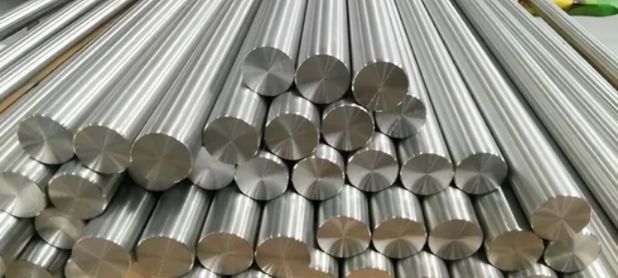
Modern building is based on materials that provide strength, safety, and long-term performance. Among these, the stainless steel round bar is essential for structural and support purposes. Builders rely on it due to its strength, corrosion resistance, and versatility across a wide range of project types. From commercial buildings to large industrial locations, these bars help structures withstand pressure, stress, and time without requiring regular maintenance. Their uniform shape also makes it easier to design and build them on location. This blog defines stainless steel round bars, discusses their important features, and explains why they are useful in construction. It also discusses standards, benefits, and how to select the best supply source in simple and practical terms.
What Are Stainless Steel Round Bars?
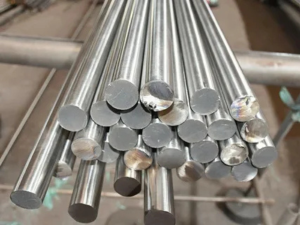
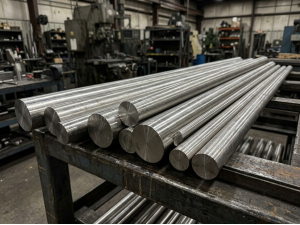
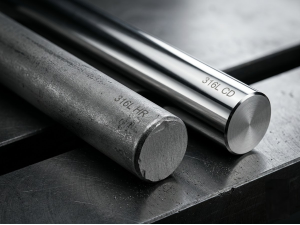
A stainless steel round bar is a finished metal product shaped into a solid cylinder. These bars are manufactured from alloys consisting of iron, carbon, and at least 10.5% chromium, which forms a rust-resistant coating. They are available in various shapes, that meet different requirements, such as the solid version for heavier frames and the SS hollow bar for applications, which requires less weight, or internal fluid circulation. ASTM A276 SS Round Bar specifications are used in high-quality construction projects. This standard indicates that the steel has been heat-treated and tested to meet specified mechanical requirements. These bars available in Grade 304, or 316, provide the structural integrity required for everything from bolts to enormous support structures.
Key Properties of Stainless Steel Round Bars
Stainless steel round bars are chosen for construction because of their balanced physical and mechanical traits. Each property supports safe and long-lasting structures.
- Excellent corrosion resistance: A Stainless Steel Round Bar resists rust in moist and chemical-rich areas. Chromium forms a thin surface layer that protects the steel. This makes it suitable for outdoor use and exposed structures.
- High tensile strength and load-bearing capacity: These bars handle heavy loads without bending or cracking. Their strength supports beams, columns, and anchor systems. This reduces the risk of structural failure over time.
- Good weldability and machinability: Stainless steel round bars can be cut, weldedand formed using ordinary tools. Even with complex designs, the manufacture process runs well.This saves time during the construction process.
- Resistance to extreme temperatures: They perform well in both hot and cold conditions. The material maintains its strength under thermal stress. This matters in industrial plants, and outdoor builds.
- Long service life with minimal maintenance: A stainless steel round bar can operate for decades, with minimal maintenance. It does not require regular coatings or repairs. This reduces long-term project expenses.
Top Benefits of Using SS Round Bars for Construction Projects
Using stainless steel round bars brings practical gains across planning, building, and long-term use. These benefits impact safety, cost, and design freedom.
- Structural Strength & Stability: Stainless steel round bars support beams, columns, and load paths. Their uniform shape spreads stress evenly. Both solid bars and SS Hollow Bar options offer reliable stability for heavy structures.
- Corrosion Resistance for Harsh Environments: Moisture and chemicals cause rapid damage in coastal areas and industrial sites. A stainless steel round bar can withstand such conditions with ease. This makes structures safe in high-humidity environments.
- Design Flexibility & Fabrication Ease: Engineers can cut, weld, bend, and machine these bars with ease. This versatility helps in meeting tight design requirements. Hollow parts also save weight while maintaining strength.
- Cost Efficiency Over the Project Lifecycle: The initial material cost may be higher than carbon steel. Over time, it reduces the repair and replacement costs that lead to long-term savings. This helps in reducing the downtime and maintenance work.
- Sustainability & Recyclabilit: Stainless steel is fully recyclable without loss of quality. Using a Stainless Steel Round Bar supports eco-friendly building goals. Many projects value this long-term benefit.
Importance of ASTM A276 SS Round Bar in Construction Standards
Construction projects rely on standards to protect safety and performance. The ASTM A276 SS Round Bar specification sets clear rules for chemical makeup, strength, and surface finish. These rules ensure bars meet expected load and stress limits. Dimensional accuracy matters when bars must fit into tight structural designs. Testing under ASTM standards confirms quality before use on site. Following these standards reduces the risk of failure, and increases trust throughout the supply chain. For engineers and professionals, ASTM compliance ensures that materials comply with specified construction safety standards.
Choosing Reliable Stainless Steel Round Bar Suppliers
Material quality depends heavily on the source. Certified Stainless Steel Round Bar Suppliers provide products with proper test reports and traceable batches. This helps builders verify grade, size and compliance with standards. Reliable suppliers deliver consistent quality throughout large orders. They also provide customised lengths and diameters for specific projects.When construction timetables are tight, timely delivery becomes critical.Working with reputable suppliers prevents delays, rejections, and site-specific issues. Clear documentation and support provide additional value during audits and inspections.
Stainless steel round bars have become a popular solution for modern construction. They provide strength, corrosion resistance and long service life. Their ease of manufacture offers flexible design and safe installation. Over time, they reduce repair and replacement expenses. Standards, such as ASTM assure consistent performance on-site. Choosing the right stainless steel round bar suppliers ensures quality and consistency. Stainless steel round bars continue to be an excellent material choice for projects that require durability and long-term returns.