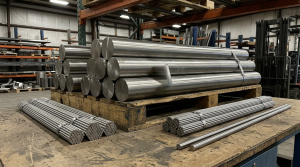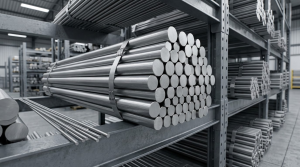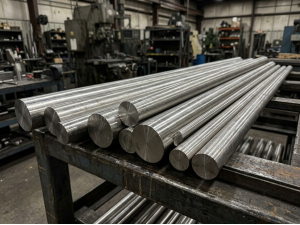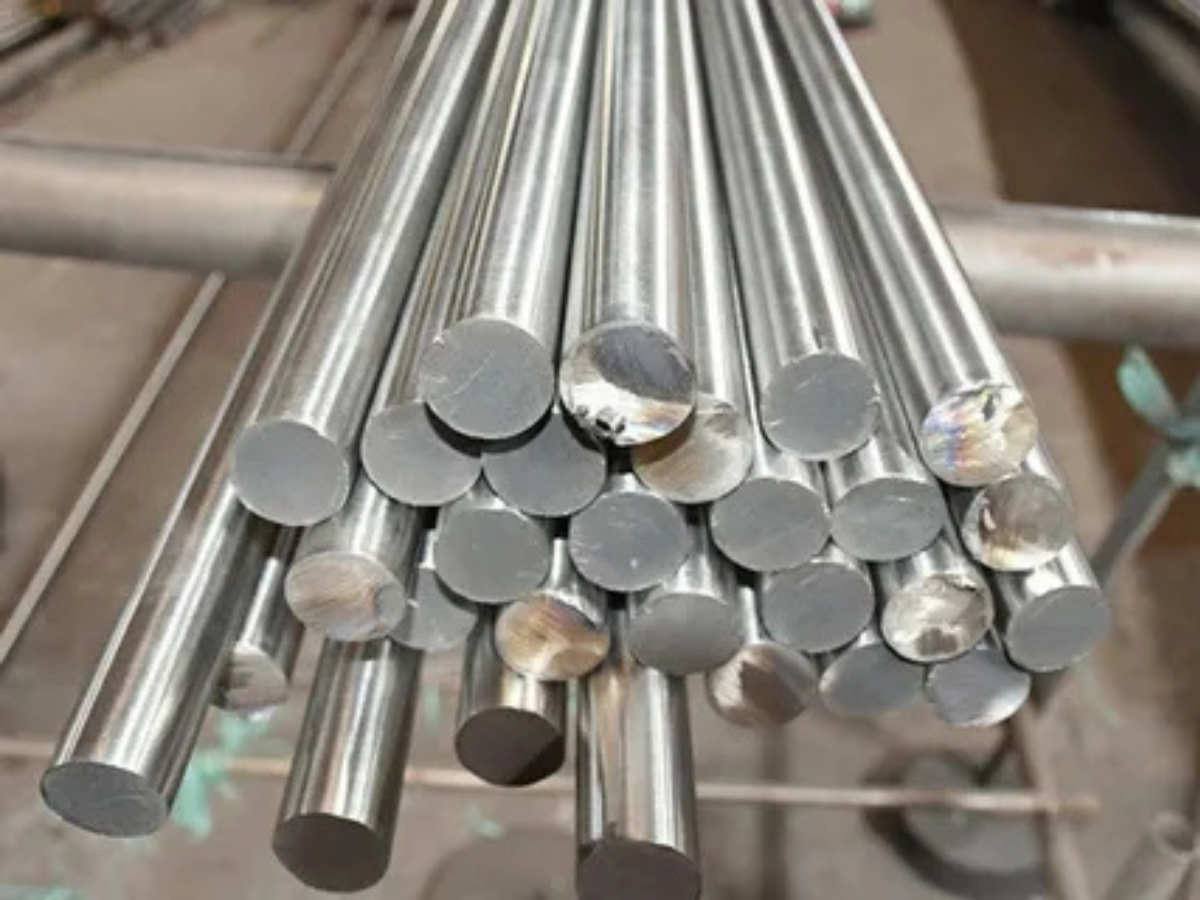
Inconel 625 round bar shows up in some of the most demanding industrial settings aerospace components, offshore piping, chemical processing systems- precisely because it holds up where ordinary alloys fail. But a bar with the right name on the packing slip isn’t automatically the right bar for the job. Dimensions, certifications, surface condition, and material properties all need direct verification before the material goes into service. This blog explains the key inspections buyers should run before purchasing an Inconel 625 round bar, so procurement decisions hold up as well as the alloy itself.
Why Material Inspection Is Important Before Purchase
Non-compliant material may not reveal problems until the component enters service, leading to reduced mechanical strength, accelerated corrosion, or even failure under load. Quality assurance at the purchasing stage catches these problems before they become field failures, saving both cost and downtime later. Long-term performance and reliability depend on the bar actually matching its stated specification, not just its label.
Proper documentation and traceability matter just as much as the metal itself. A bar without verifiable heat numbers or test records leaves buyers with no way to confirm what they actually received, which becomes a serious liability in regulated industries where material history has to be provable years down the line.
What Buyers Should Inspect Before Purchasing Inconel 625 Round Bars
Material Grade & Specification
Ensure that the grade of alloy is what the project requires. Inconel 625 is a defined range of composition and a substitution or close equivalent will not perform the same. Be sure the bar conforms to the applicable ASTM or ASME specification for the application before taking delivery, and check the requirements of the project for exact conformity.
Dimensions and Tolerances
Check diameter, length and straightness to order spec. Even minor dimensional deviations can affect machining accuracy, assembly, and final component performance. Ensure the dimensional tolerances are within the tolerances allowed for the intended use. Check early that the bar is compatible with the planned machining or fabrication steps so you don’t have to spend extra money to fix it once the bar is in the shop.
Surface Finish and Visual Quality
Check the bar’s surface for scratches, dents, cracks, or other visible defects that could compromise performance or indicate poor handling. Overall finish quality should match what was specified in the order. Any material showing visible damage should be flagged before it moves further into production.
Mechanical and Chemical Properties
Review the bar’s mechanical properties such as tensile strength, yield strength, and elongation against the specification sheet. Verify chemical composition matches Inconel 625’s defined range for nickel, chromium, molybdenum, and niobium content. Confirming compliance with applicable standards at this stage prevents surprises during later testing or service.
Material Test Certificates (MTCs)
Always ask for Material Test Certificates together with the physical material. This documentation should include the heat number so that full tracing back to the original melt is possible. For important applications, see if third-party inspection was completed and ask for the paperwork too.
Manufacturing Quality and Inspection Standards
Check the production method of the manufacturer, since the consistency of melting, forming and heat treatment is directly related to the reliability of the finished product. Learn about the quality control processes used in the production. Make sure that the right inspection was done before the material was sent instead of guessing.
Supplier Reputation and Product Availability
Industry experience says a lot about a supplier’s reliability. An established Inconel 625 Round Bar Manufacturer typically has tighter process controls and better documentation practices than a newer, unproven source. Check inventory levels and delivery capability against your project timeline. A reliable Inconel 625 Round Bar Supplier should be able to confirm stock and lead times upfront, not after the order is placed.
Common Mistakes Buyers Should Avoid
Purchasing without verifying certifications remains one of the costliest mistakes buyers make, since it leaves no way to confirm material authenticity later. Ignoring dimensional tolerances leads to fabrication headaches that could have been caught at receiving. Overlooking surface defects allows compromised material into production unnoticed.
Selecting material based only on price, without weighing quality and documentation, often costs more in the long run through rework or premature failure. Not confirming supplier credibility rounds out the list; an affordable bar from an unverified source rarely saves money once the full picture is accounted for.
Conclusion
Buying an Inconel 625 round bar involves more than confirming the alloy name on the invoice. Grade verification, dimensional inspection, surface inspection, mechanical and chemical property validation, and proper documentation. Bhansali Exports is one of the world’s leading manufacturers and exporters of Inconel 625 Round Bar that ensures uniform efficiency, conformity and long life in major industrial applications.