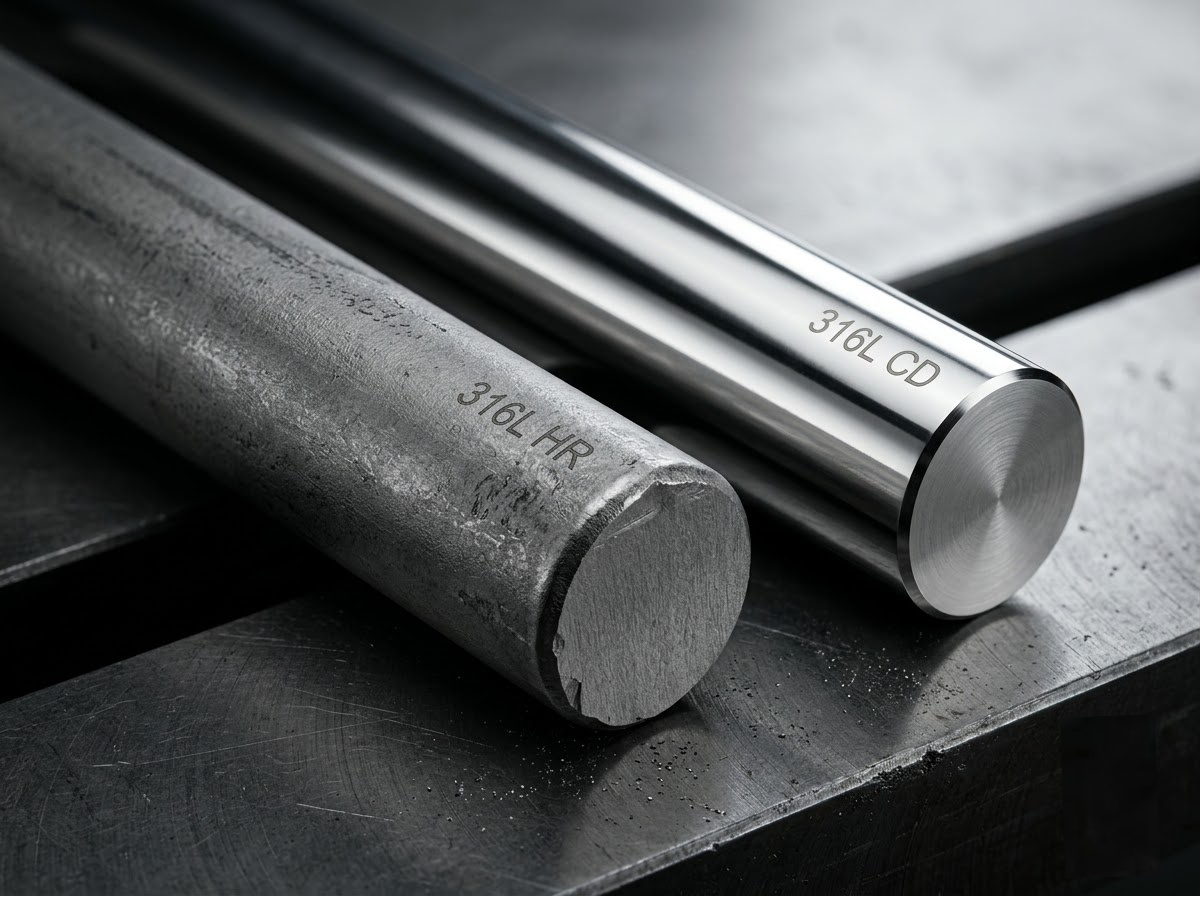
Every 316L stainless steel round bar shares the same corrosion-resistant chemistry, whether it left the mill hot rolled or cold drawn. What changes is everything downstream of that chemistry. Dimensional accuracy, surface finish, and how easily a machinist can hold tolerance all trace back to which process shaped the bar. Getting this choice wrong on a purchase order means paying for finish you don’t need, or worse, ordering stock that can’t hold the tolerance a drawing demands.
Understanding Hot Rolled and Cold Drawn Stainless Steel 316L Round Bars
Hot Rolled Stainless Steel 316L Round Bars
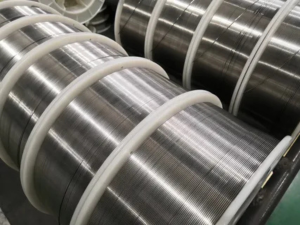
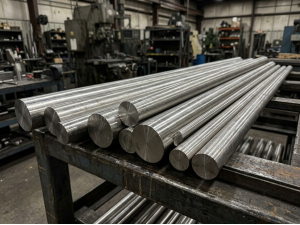
Manufacturers produce Stainless Steel 316L Round Bar in hot rolled form for applications where larger diameters, lower cost, and structural performance matter more than precision finishing. That process leaves a scaled, slightly rough surface and looser dimensional tolerances than a finished bar needs. Mills favor it for larger diameters and bulk tonnage, where structural and heavy fabrication buyers care more about section size than surface polish.
Cold Drawn Stainless Steel 316L Round Bars
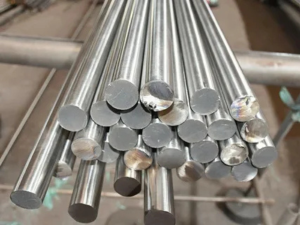
Cold drawn bars start as hot rolled stock and go through additional processing at room temperature, typically drawing through a die. That step tightens dimensional accuracy considerably, improves surface finish to a bright, smooth condition, and straightens the bar far better than hot rolling alone ever achieves. Buyers pay more per kilogram for this, but they get a bar ready for precision work with minimal further machining.
Hot Rolled vs Cold Drawn Stainless Steel 316L Round Bar: Comparison
| Parameter | Hot Rolled | Cold Drawn |
| Production method | Rolled at elevated temperature | Drawn through a die at room temperature after hot rolling |
| Surface finish | Scaled, matte, rougher texture | Bright, smooth, polished appearance |
| Dimensional tolerance | Looser, mill-standard tolerance | Tight, precision tolerance suited to machining |
| Straightness | Moderate, may need correction | Consistently straight off the bar |
| Mechanical strength | Standard annealed strength | Higher yield strength from work hardening |
| Machinability | Requires more stock removal | Machines efficiently with less material waste |
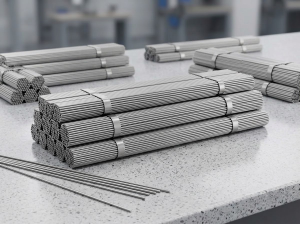
| Available stainless steel round bar sizes | Common in larger diameters | Common in smaller, precision diameters |
| Cost | Lower per kilogram | Higher per kilogram |
| Typical applications | Structural fabrication, heavy engineering | Precision components, CNC machining |
Differences in Mechanical and Surface Characteristics
The die-drawing step in cold finishing does more than tighten dimensions. It work-hardens the surface layer, which raises yield strength compared with an as-rolled bar of the same grade. That translates into a harder outer surface and, in most cases, better fatigue resistance for parts that see cyclic loading.
Surface quality moves in the same direction. A hot rolled bar carries mill scale and surface irregularities that a machinist has to remove before reaching final dimensions extra passes, extra time, extra scrap. A cold drawn bar starts close to finished size, which cuts machining time and improves the achievable surface finish on the final part.
Welding and fabrication behavior stays largely unaffected by which process produced the bar, since both start from the same 316L chemistry. One point worth stating plainly: corrosion resistance stays essentially identical between the two, because the alloy not the mechanical process controls that property.
Selecting the Right Stainless Steel 316L Round Bar for Different Applications
Applications Requiring Cold Drawn Round Bars
Precision shafts, valve stems, pump components, and CNC-machined parts all depend on tight dimensional accuracy from the raw stock. Food processing and pharmaceutical equipment add a surface-finish requirement on top of that, since a smoother bar reduces the risk of bacterial harborage and simplifies cleaning validation. Cold drawn bar meets both demands without heavy pre-machining.
Applications Suitable for Hot Rolled Round Bars
Structural fabrication, heavy engineering, industrial machinery frames, and forging operations rarely need the tight tolerance cold drawing provides. What they need is larger cross-section availability at a lower cost per kilogram, and hot rolled bar delivers exactly that full mechanical performance for the application without paying for a finish that gets machined away anyway.
Procurement Considerations Before Ordering Stainless Steel 316L Round Bars
Buyers evaluating a purchase order should confirm:
- Required dimensional tolerances against the drawing, not just the nominal size
- Surface finish requirements: mill finish versus bright drawn
- Stainless steel round bar sizes actually held in stock versus made-to-order
- Applicable ASTM specifications for the intended use
- Mill Test Certificates (MTC) confirming heat number, chemistry, and mechanical properties
- Machining allowance needed if ordering hot rolled stock for a finished part
- Project quantity and whether stock sizes or custom sizes suit the application better
Matching these factors to the actual end use rather than defaulting to whichever bar happens to be cheaper keeps procurement decisions aligned with what the part actually needs to do in service.
Conclusion
Hot rolled and cold drawn Stainless Steel 316L Round Bars deliver the same corrosion resistance because they share the same alloy chemistry. The manufacturing method decides everything else: dimensional precision, surface finish, machinability, and which applications each product form suits best. Buyers who match the process to the part cold drawn for precision work, hot rolled for structural and heavy fabrication get better value than defaulting to one option across every order.