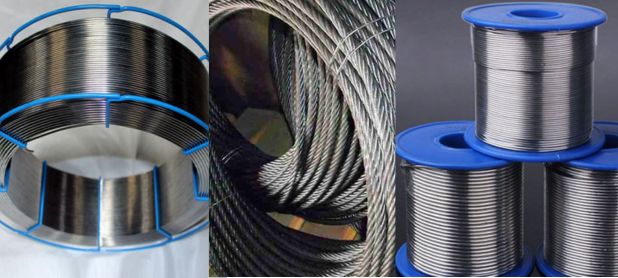
Stainless Steel Wire is a fundamental material found in almost every sector of modern life, from the tiny springs in your watch to the heavy cables used in bridge construction. At its core, this wire is an alloy made of iron, carbon, and a minimum of 10.5% chromium. This specific chemistry creates a thin, protective layer on the surface that prevents rust and corrosion. Unlike carbon steel, which requires coatings to stay intact, stainless steel stays durable on its own. It is prized for its high tensile strength, ability to withstand extreme heat, and long life span. Compared to galvanised wire, which can flake, or peel over time, stainless steel provides an effective solution for harsh environments. This blog explores the various types of stainless steel wire, their specialised qualities and the numerous stainless steel wire applications to keep the world operating smoothly.
Different Types of Stainless Steel Wire
The classification of Stainless Steel Wire depends mostly on its chemical composition and crystal structure. Understanding these categories helps in choosing the right material for a specific job.
Austenitic Stainless Steel Wire (Grades 304, 316)
These are the most popular SS wire grades used globally because of their versatility and ease of use. This group, which includes the common 304 and 316 grades, offers excellent corrosion resistance and remains non-magnetic even after heavy processing. While 304 is the standard for general use, 316 contains molybdenum, which protects it against salt and chemicals. You will find these wires in food processing equipment, medical devices, marine hardware, and high-quality springs or wire mesh.
Ferritic Stainless Steel Wire (Grades 430, 410)
Ferritic wire contains high chromium levels but very little nickel, making it a budget-friendly option for many projects. These wires are magnetic and provide moderate resistance to corrosion, though they are not as tough as the austenitic variety. Because they are cost-effective and look great when polished, they are widely used in automotive trim, household appliances like dishwashers, and various decorative wire products.
Martensitic Stainless Steel Wire (Grades 420, 431)
If a project needs extreme hardness and wear resistance, martensitic wire is the go-to choice. These grades can be heat-treated to reach very high strength levels, making them much tougher than other types. While they have lower corrosion resistance than the 300 series, their ability to hold an edge and resist abrasion is unmatched. Common uses include cutting tools, heavy-duty fasteners, surgical instruments, and specialised industrial springs.
Duplex Stainless Steel Wire
Duplex wire is a hybrid that combines the best parts of austenitic and ferritic steels into one material. It provides nearly twice the strength of standard grades and has incredible resistance to stress corrosion cracking, which often destroys other metals. This makes it a top choice for demanding fields like oil and gas extraction, chemical processing plants, and offshore structures where the environment is punishing.
Applications of Stainless Steel Wire Across Industries
The unique traits of this material allow it to serve in many different roles across the global economy. Each industry utilises specific SS wire grades to solve unique engineering challenges.
- Construction and infrastructure: Engineers use high-strength wire for structural support and masonry ties. It provides the necessary tension and durability to keep buildings and bridges safe for decades without needing constant maintenance.
- Automotive and aerospace: In cars and planes, this wire is used for safety cables, fuel filters, and exhaust hangers. Its ability to handle high heat and vibration without snapping is vital for passenger safety.
- Marine and Offshore: The marine industry uses 316-grade wire as saltwater quickly passes through normal steel. It is used for rigging, boat rails and underwater sensors when reliability is necessary.
- Medical & Healthcare: Stainless wire is essential as it is easy to clean and does not react on human skin. It is used for dental braces, bone pins, and other surgical equipment used in operating rooms.
- Food processing and packaging: Hygiene is the main priority here, and stainless steel does not leach chemicals into food. Wire belts, whisks, and cooling racks all use this material to maintain safety standards.
- Industrial manufacturing and fabrication: Factories use wire for conveyor belts, filtration screens, and heavy-duty fasteners. It keeps assembly lines moving by resisting the wear and tear of daily heavy use.
Factors to Consider When Choosing SS Wire
Picking the wrong wire can lead to early failure or wasted money, so several technical factors must be weighed.
- Grade selection: The environment dictates the grade. For example, using 304 wire in a saltwater environment will lead to rust, so 316 is the smarter choice. Always match the chemical properties of the wire to the chemicals or weather it will face.
- Wire diameter and tensile strength: Thicker wire handles more weight, but the “temper” or hardness, also matters. A thin wire with high tensile strength might be better for a spring than a thick, soft wire. Knowing the exact load requirements is a key step.
- Corrosion and temperature resistance: Some wires lose their strength when they get too hot, while others become brittle in the cold. If the wire is going inside an oven or a freezer, the alloy must be rated for those specific temperature swings.
- Industry standards and certifications: Many projects require the wire to meet specific safety or quality codes. Checking for certifications like ASTM or ISO ensures the material will perform as promised and won’t fail under pressure.
- Application-specific requirements: Consider the final shape of the product. If the wire needs to be bent into complex shapes, a softer, more flexible grade is needed. If it must stay perfectly straight, a “spring-hard” temper is much better.
Why Choose a Reliable Stainless Steel Wire Manufacturer or Supplier
Finding a professional SS wire manufacturer is just as important as choosing the right grade. Each batch of wire is tested for chemical and mechanical compliance by a leading provider. When you buy from a reliable supplier, you know that the wire you buy today will work the same way as the wire you bought last month.
Leading manufacturers offer different sizes and surface treatments, such as bright, dull or coated, that can be customised according to your needs. They also offer technical support to help you get over technical issues and make sure your order arrives on time so that your production stays on schedule. Working with an expert can help you avoid the risks of “off-grade” products that could cause safety problems or expensive recalls.
Conclusion
Choosing the right Stainless Steel Wire is a blend of technical knowledge and real-world requirements. Each variety of steel has a different usage, from the 316 grade that does not rust, and is used on ships to the strong martensitic wire that is used in tools. Using the right wire ensures that objects last longer, work better, and are safe for those who uses them. The grade and quality of the wire will decide how well your project goes, whether one is building a bridge, or a domestic appliance. If you’re not sure which material is best for your purposes, contact a reliable stainless steel wire manufacturer for experienced assistance and high-quality products.