Introduction
Material selection is critical in industrial applications. Components face different stresses depending on the environment. Standard stainless steels like 304 and 316 are widely used because of their corrosion resistance and strength. They work well in general applications, but they are not ideal for high-wear or high-friction situations.
Stainless steel parts can gall, seize or wear out too soon when used a lot. Changing things out often costs more and takes more time. Nitronic 60 Round Bar is a stronger option. It lasts longer, doesn’t gall easily, and works well even when there is a lot of stress and heat. It is made to work in places where there are moving parts, a lot of friction and corrosive conditions.
Material Overview
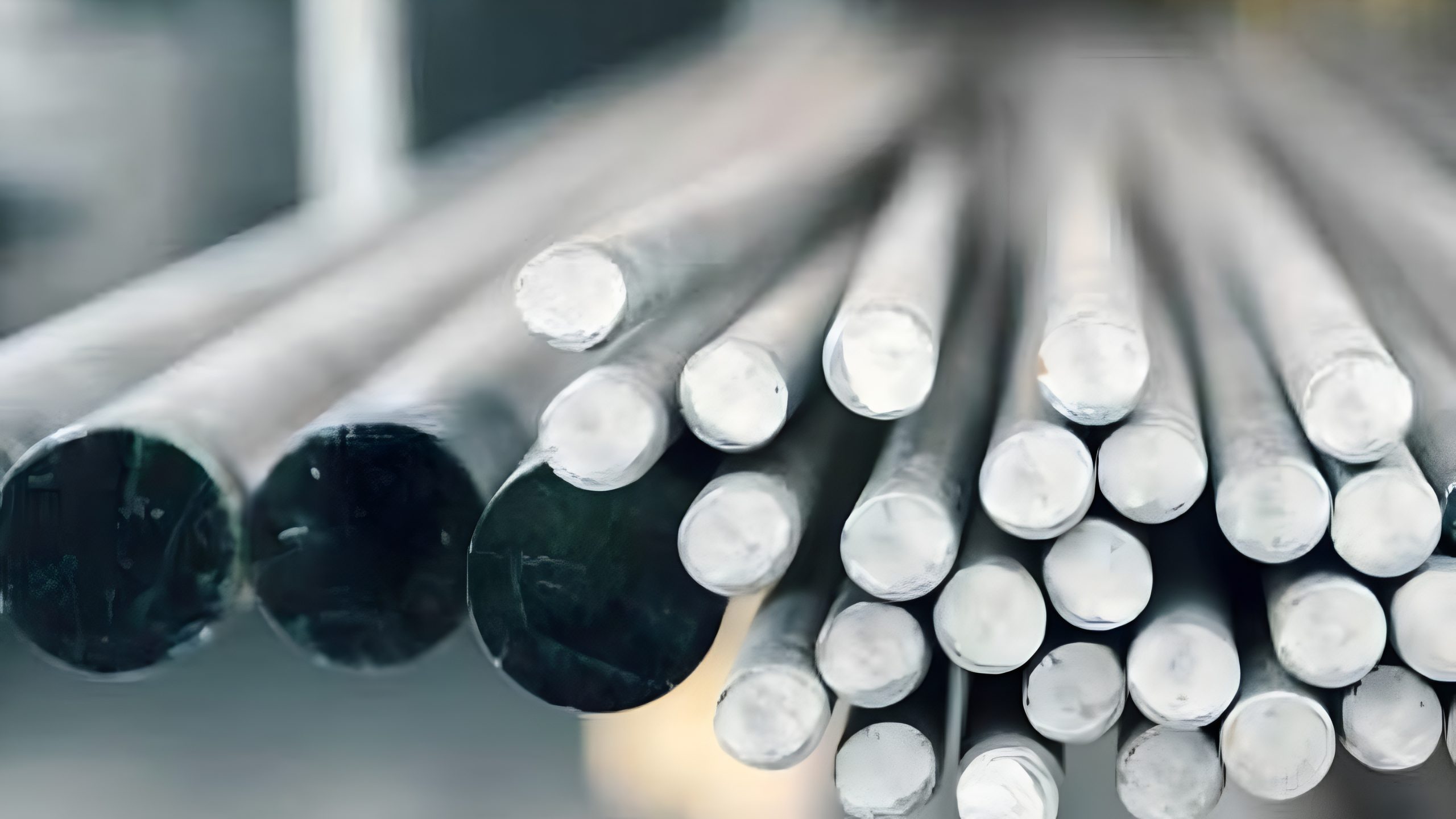
Nitronic 60 Round Bar
Chemical Composition
Nitronic 60 is an austenitic stainless steel alloy with high chromium and nickel content. Silicon and manganese are added to improve wear and galling resistance. This chemical combination gives the material a balance of strength, corrosion resistance, and durability under frictional load.
Microstructure
The microstructure of Nitronic 60 is a stable austenitic matrix. The added silicon and manganese form a protective surface that prevents metal-to-metal welding, reducing galling during sliding contact. The alloy remains tough even under high pressure.
Core Characteristics
- Wear Resistance: Performs well under heavy friction and reduces surface degradation.
- Galling Resistance: Prevents parts from sticking, even in dry conditions.
- Strength: High tensile and yield strength support heavy loads.
- Corrosion Resistance: Resists rust and chemical attack in fresh water, saltwater and mild acids.
- Temperature Stability: Retains mechanical properties at elevated temperatures, making it suitable for heat-exposed components.
Standard Stainless Steels (304/316)
Composition and Uses
304 and 316 are two types of stainless steel that are often used. They have a lot of chromium and nickel, but not much silicon or manganese. 316 has molybdenum in it to make it more resistant to corrosion in marine and chemical settings. These grades are often used in tanks, piping, kitchen equipment and structural parts.
Performance Limitations
- Prone to galling in sliding or high-pressure contact
- Lower wear resistance in moving parts
- Strength decreases at high temperatures
- Shorter lifespan under repeated stress
- Frequent maintenance and replacement required in high-wear applications
Key Performance Comparisons
Galling & Wear Resistance
Galling occurs when metal surfaces stick and tear under friction. Nitronic 60 has exceptional anti-galling behaviour due to its silicon-manganese combination. Even under heavy loads, it prevents seizure and maintains smooth movement.
Standard stainless steels like 304 and 316 perform poorly under similar conditions. They tend to gall without lubrication, leading to premature part failure. Nitronic 60 provides superior durability in pumps, valves, fasteners, and other sliding components.
Mechanical Strength
Tensile Strength
Nitronic 60 has higher tensile strength than 304 and 316, meaning it can withstand more stress before breaking.
Yield Strength
Its yield strength is also higher, allowing it to handle heavier loads without permanent deformation.
High-Temperature Performance
The material retains its strength at elevated temperatures, which is important for furnace parts, heat-treated machinery and high-speed rotating equipment. Standard stainless steel loses strength faster under similar conditions.
Corrosion Resistance
Nitronic 60 is very resistant to general corrosion, stress corrosion cracking, and pitting. It works well in places with fresh water, salt water, and mild chemicals. 304 and 316 don’t rust but they are more likely to break when they are under stress or in the ocean. Nitronic 60 is great for chemical plants, marine equipment and offshore settings because of this.
High-Temperature Stability
Nitronic 60 resists oxidation and maintains structural integrity at elevated temperatures. This property allows it to be used in heat-exposed components without losing performance. Standard stainless steels have lower oxidation resistance and may deform or corrode faster in hot conditions.
Cost & Lifecycle Benefits
Nitronic 60 Round Bar is suited for industries where friction, wear and corrosion are challenges.
Common applications include:
- Petrochemical Equipment: Valves, shafts and fittings
- Oil & Gas: Pump shafts, fasteners, and critical machinery
- Marine: Propeller shafts, fasteners, and offshore equipment
- Food Processing: Machinery parts exposed to sliding or abrasive conditions
- Mining & Material Handling: Equipment and tools exposed to heavy load and wear
Its combination of wear resistance, corrosion control and high-temperature stability makes it ideal for both light and heavy-duty applications.
Case Studies / Real-World Performance
Many plants have said that their equipment wears down less after switching to Nitronic 60. Pump shafts last longer, fasteners stay smooth, and machines don’t have to stop working as often. Over time, the money you save on less maintenance and replacement can add up to a lot.
Limitations of Nitronic 60
Nitronic 60 is not always required for light-duty applications. 304 or 316 may be more cost-effective when friction and wear are minimal. Machining Nitronic 60 requires sharp tools and careful planning because of its hardness. Proper preparation ensures efficient cutting and shaping.
Conclusion
Nitronic 60 Round Bar is better than regular stainless steels in a number of ways. It is more resistant to wear, has strong anti-galling properties, and stays strong at high temperatures. It also offers better corrosion resistance and longer life in harsh environments.
For engineers, procurement teams, and manufacturers dealing with high-stress, high-friction or marine applications, Nitronic 60 is a durable and cost-effective choice. When parts need to last longer, operate smoothly and reduce maintenance downtime, Nitronic 60 is the best option.