Stainless steel is a core material in modern industry. As production demands rise stainless steel scrap has become a vital resource for manufacturers. Using scrap is no longer just about managing waste. It is a smart way to lower costs and protect the environment. By keeping metals in use, we support a circular economy. This approach reduces the need for new mining and keeps the supply chain stable.
What Is Stainless Steel Scrap?
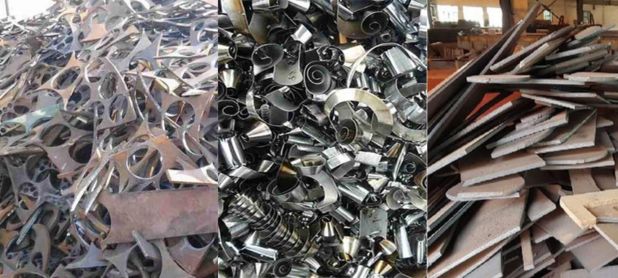
Metal pieces that are no longer useful form stainless steel scrap. It comes from a lot of different places. Some of them are scraps from factory floors like metal shavings, or trimmings. Some come from broken machines, old buildings, or things that people no longer use. You will often see it in the form of thin sheets, long pipes, tangled wires, or heavy plates. Even small turnings from a lathe are collected for reuse. These bits are not trash. They are high-quality raw materials that can be used for crucial applications.
Types of Stainless Steel Scrap
Not all scrap is the same. It is sorted by its chemical composition and metal grade. Understanding these types helps a stainless steel scrap supplier price and process the metal correctly.
- Austenitic Stainless Steel Scrap
This group includes common grades like 304 and 316. These metals have high levels of nickel and chromium. They are non-magnetic and resist rust very well. Due to the nickel, this scrap has a high market value. It is the most sought-after type in the recycling industry.
- Ferritic Stainless Steel Scrap
Grades like 430 come in this category. These alloys have very little or no nickel but contain plenty of chromium. You can tell them apart because they are magnetic. They are often found in car parts or kitchen appliances. They are still very useful, even though they aren’t as valuable as nickel-rich grades.
- Martensitic Stainless Steel Scrap
Some of the grades in this scrap are 410 and 420. These metals are very hard and strong as they have more carbon in them. They are often used to make knives or heavy-duty tools. Recyclers keep these separate to ensure the hardness of the next batch of steel.
What Are Stainless Steel Scrap Uses?
The primary stainless steel scrap use is to serve as a base for new metal production. Here are the main ways industries put this material back to work.
- Manufacturing New Stainless Steel Products
Mills melt down the scrap in large electric furnaces. They turn it into new coils, bars, and plates. Using scrap lowers the cost of raw materials significantly. It allows factories to produce high-quality goods without buying expensive new ore.
- Automotive and Transportation Industry
Car makers use recycled stainless steel for many parts. It is perfect for exhaust systems because it handles heat well. You will also find it in the frames of trucks and small fasteners. It helps keep vehicles light and durable.
- Construction and Infrastructure
Builders use scrap-based steel for structural beams and bridge supports. It provides the strength needed for large buildings. Many modern skyscrapers use it for exterior cladding. This keeps the structure looking clean and prevents rust over time.
- Consumer Goods and Appliances
Your kitchen is likely full of recycled metal. Ovens, sinks, and washing machines often use stainless steel made from scrap. It is a top choice because it is easy to clean and stays shiny. It is safe for food and lasts for decades.
- Industrial Equipment and Machinery
Heavy industries rely on this metal for pumps and valves. It is essential in oil rigs and power plants. These machines must survive salt water and chemicals. Using scrap helps these industries keep their equipment costs manageable.
Stainless Steel Scrap Recycling Process
The process starts with collection. A stainless steel scrap supplier gathers metal from various sites. Next workers sort the metal by grade. They often use handheld X-ray tools to check the chemical composition. After sorting, the scrap is shred into smaller pieces. To melt these pieces, they go into an electric arc furnace. When the metal is melted, workers clean it up to get rid of any dirt. Last, the clean metal is shaped into new shapes to sell.
Benefits of Recycling Stainless Steel Scrap
Choosing to recycle offers several benefits for the planet and the economy.
- Environmental Benefits
Recycling keeps metal out of landfills. It stops the need for heavy mining which can damage the earth. This process creates much less pollution than making steel from scratch. It is a cleaner way to build the products we need.
- Economic Advantages
Scrap is cheaper than raw iron or nickel. This helps manufacturers keep their prices low for customers. The scrap industry also creates many jobs in sorting and processing. It turns what could be waste into a profitable asset.
- Energy Savings
Melting scrap takes much less energy than refining raw ore. It saves a huge amount of electricity and fuel. This efficiency lowers the carbon footprint of every ton of steel produced. It is one of the best ways to save energy in heavy industry.
- Conservation of Natural Resources
By using scrap, we save precious metals for the future. We don’t have to dig up as much chromium or nickel from the ground. This preserves the earth’s natural stores. It ensures that future generations will still have access to these metals.
Factors Affecting Stainless Steel Scrap Value
Several things determine how much a load of scrap is worth at the yard.
- Grade and Alloy Composition
The metal’s chemistry is the biggest factor. Grades with high nickel content, like 316, fetch the highest prices. If the scrap has rare elements, it becomes even more valuable. Simple grades without nickel are worth less.
- Cleanliness and Contamination
Pure metal is worth more than dirty metal. If the scrap is mixed with plastic, oil, or rubber, the price drops. Buyers want “clean” scrap that is ready for the furnace. Removing trash before selling helps get a better deal.
- Market Demand and Pricing Trends
Prices change based on global supply and demand. If big factories are busy, they need more scrap, and prices go up. The price of raw nickel also affects the scrap market. It is a fast-moving market that changes daily.
- Quantity and Form
Large amounts of scrap usually get better rates. The shape of the metal matters too. Solid plates are easier to handle than loose shavings or light wires. Dense scrap is often preferred because it melts more efficiently.
Conclusion
Stainless steel scrap is an important part of a sustainable industry. It gives you a steady supply of metal that saves you money and energy. This material helps build our world, from car parts to kitchen sinks. Using recycled stainless steel protects the environment and keeps manufacturing running smoothly. Any business that cares about the future should choose stainless steel crap. If you have metal waste, find a reliable stainless steel scrap supplier. They can help you make money from your extra metal by selling it on the global market.