Building near the ocean is a constant battle against the elements. Coastal and marine environments are some of the toughest environments. Saltwater, high humidity, and airborne chlorides act like acid on standard metals. Most materials break down, rust, or lose their strength within years. Stainless steel round bars have become the preferred choice for these settings. They offer a level of protection that carbon steel and basic alloys simply cannot match. While other metals flake and fail, stainless steel stays strong and clean under constant salt spray.
What Are Stainless Steel Round Bars?
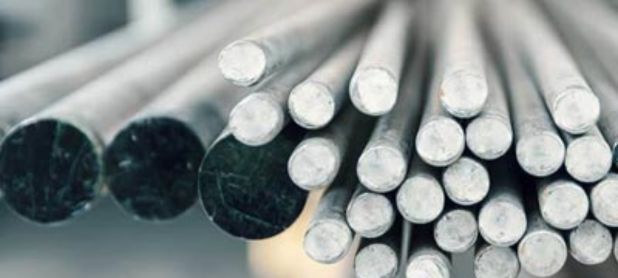
Stainless steel round bars are solid cylindrical metal rods used across many industries. They are made by either hot rolling or cold drawing. To make a specific grade, manufacturers melt raw iron ore with chromium and other metals. The metal is shaped into a long round bar after it has been made. These bars can have different finishes from rough black to smooth, polished. They are known for being very strong and for being able to be shaped into complicated parts. As they are solid all the way through, they are strong enough for heavy-duty work.
Challenges of Coastal and Marine Environments
The ocean environment is relentless. High salt content in the air and water triggers a chemical reaction that corrodes the metal. This is compounded by constant moisture and high humidity, which keep the metal surface wet. Temperature shifts also cause materials to expand and contract, leading to stress cracks. In these areas, pitting and crevice corrosion are major threats. Small holes can form on the surface, weakening the core of the metal. Additionally, structures must face the physical force of waves and high winds, requiring materials that won’t snap under pressure.
Key Properties That Make SS Round Bars Ideal for Marine Use
Several technical features make these bars the best choice for saltwater exposure.
- Excellent Corrosion Resistance: Stainless steel contains chromium, which forms an invisible “passive layer” on the surface. This layer prevents oxygen and salt from reaching the iron, stopping rust before it starts. It even heals itself if the surface gets scratched.
- High Strength and Durability: These bars are built to handle massive loads and mechanical stress. They do not become brittle in cold water or soft in the heat. This ensures a long service life even when the environment is aggressive.
- Resistance to Saltwater and Chlorides: Specific grades contain molybdenum, which fights off chloride damage. This is why SS round bars for marine applications outperform carbon steel by decades. They don’t require constant scraping or repainting to stay intact.
- Low Maintenance and Lifecycle Cost: The long-term costs are much lower, even though the initial price may be higher. You save money because you don’t have to buy expensive coatings or replace parts often. Over time, this makes them a good financial choice.
Best Stainless Steel Grades for Coastal and Marine Applications
Not all stainless steel is the same. It’s very important to choose the right grade.
- Stainless Steel 316 / 316L Round Bars: 316 and 316L stainless steel round bars are the most common choice for marine projects. It has 2% molybdenum which makes it more resistant to salt and chemicals. It can be used for anything, from boat parts to sensors that work underwater.
- Stainless Steel 304 Round Bars: This grade is good for places near the coast that aren’t directly exposed to saltwater. It is more affordable than 316 but lacks the molybdenum needed for submerged use. It is great for architectural trim or railings set back from the shore.
- Duplex Stainless Steel Round Bars: Duplex grades combine the best parts of two different metal structures. They offer double the strength of standard grades and incredible resistance to stress corrosion. These are usually found in offshore oil rigs and heavy marine engineering.
Applications of Stainless Steel Round Bars
You will find these versatile components in almost every corner of the maritime industry.
- Shipbuilding and Boat Components: Engineers use round bars to make deck hardware, propeller shafts, and rudders. The metal’s ability to resist “tea staining” keeps boats looking new and safe to use.
- Oil rigs and offshore platforms: If something goes wrong with the equipment in the middle of the ocean there is no way to fix it. Round bars are used in structural supports and piping systems that face constant splashing and high pressure.
- Coastal Infrastructure: Bridges, piers, and boardwalk railings rely on these bars for safety. They provide the necessary strength to hold up heavy walkways while resisting the humid, salty air.
- Marine Fasteners and Shafts: Bolts, nuts, and long drive shafts are often machined from Stainless steel 316 round bars. These parts must move smoothly without seizing up due to rust or salt buildup.
- Desalination and Seawater Handling Systems: Systems that turn saltwater into drinking water are very corrosive. Stainless round bars are used in the pumps and valves that move high-salinity water through the plant.
Comparison with Other Materials
Carbon steel is initially more cost-effective but fails quickly in coastal air. It requires heavy galvanizing or painting, which chips and peels. Aluminum is light, but it can suffer from “galvanic corrosion” when it touches other metals in saltwater. Stainless steel provides a better balance of weight, strength, and life span. When you look at the total cost over the years, stainless steel is almost always cost-efficient. It avoids the downtime and labor costs associated with fixing rusted structures.
Factors to Consider When Selecting Stainless Steel Round Bars for Marine Use
Choosing the right material requires a look at the specific needs of your project.
- Grade Selection: Always match the grade to the salt exposure levels. Use 316 or Duplex for anything that touches the water and 304 for areas that are close to the coast but not on the water.
- Bar Diameter and Mechanical Properties: Make sure the bar is thick enough to handle the weight and torque that you expect. The amount of tension the bar can hold can change depending on how it is processed.
- Surface Finish: A smoother finish is actually less likely to rust. Rough surfaces can hold on to salt particles, which can make pitting and damage happen faster.
- Compliance with Marine Standards: Make sure the bars are safe for use on boats around the world. This makes sure that the metal will work as promised and that the chemical composition is correct.
- Supplier Reliability: Get your SS round bars from a trusted supplier. They give you material test reports to show that you are getting the high-quality alloy you paid for.
Conclusion
The ocean is a destructive force. You need materials that can stand up to salt, sun, and storms if you want long lasting performance. Stainless steel round bars have the strength and chemistry they need to do well in these conditions. By getting rid of the cycle of rust and repair they work very well and save you money in the long run. The right grade of stainless steel is the most important part of any project, whether you’re building a private boat or a huge offshore rig.If you are looking for high-quality materials for your next project, contact a trusted SS round bars supplier today to find the perfect fit for your marine needs.